This page has been idle for a while. To make sure you don't miss out on the latest content, please reload the page.Refresh























Search
Date
Category
Fee
Location(Max. locations: 5)
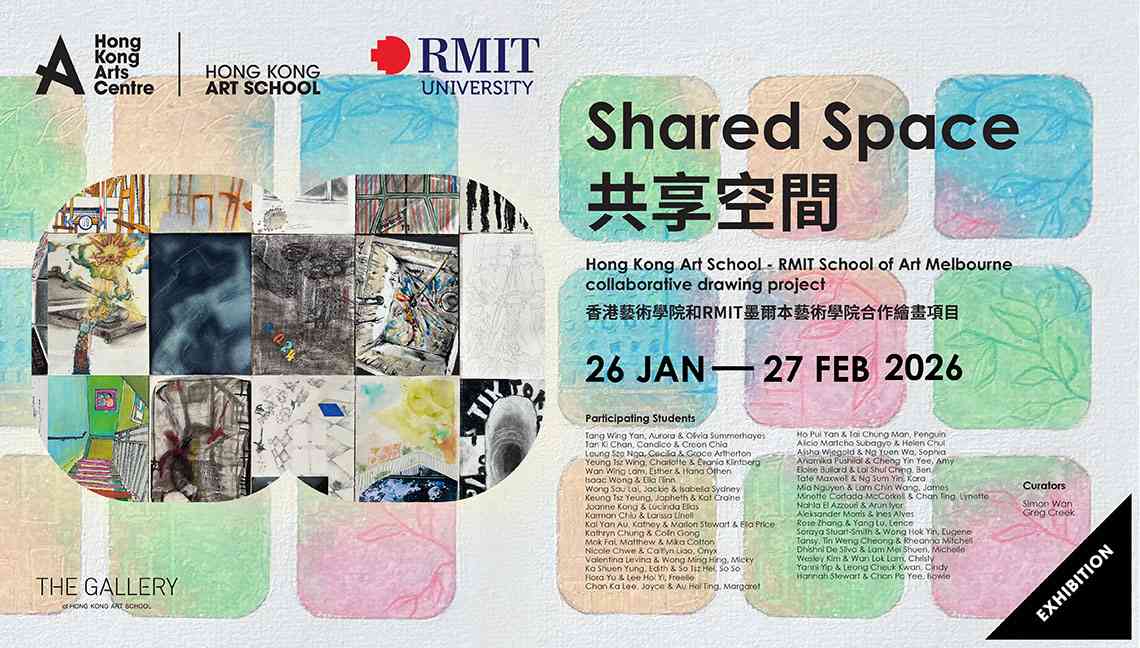
Hong Kong Arts Center, Wan Chai|《Shared Space》 Exhibition
1 Images
1 Images
Description
The exhibition is the product of a collaborative drawing exchange project by students from Hong Kong Art School, Hong Kong and RMIT University School of Art, Melbourne.
The aim of the project was to demonstrate the creative richness of exchange and peer-to-peer practices but also to increase the shared awareness of each of our cohorts in the Melbourne and Hong Kong BAFA Program Art Studios.
The process was quite simple.
Hong Kong students were invited to take a photograph or image each of somewhere or something relevant to their Hong Kong studio spaces (at Shau Kei Wan or Chai Wan) and then to produce a small drawing in response using any mediums or style. Their reference image could be a detail, a view, a fragment, an abstraction or a sensation, colour or black and white, or any scale. Melbourne students were then invited to also make an interpretative drawing from the same photograph.
In turn, a new cohort of Melbourne students were invited to similarly supply an image sourced from their Melbourne art studio spaces, from which both they and another group HKAS students produced works on paper.
Students have not seen the paired responses until these exhibitions, where they are displayed side by side. The mediating image is not included, so what we see are responses to the same stimulus but not the stimulus itself.
The linked drawings extend across a range of approaches, mediums and motifs. Some are representational, others abstract or expressive or diagrammatic. Mediums range from graphite to thread and fabric, and much else in between. Each drawing is approximately 19.5cm high x 14cm wide and placed together with no gap between them – but sometimes the partners have rotated or manipulated the basic format.
What we the viewer experience then is a kind of hybrid – a single work made of parts. And we become engaged as we naturally try to discern the links and themes that bind the drawings together. We have a privileged overview that the artists themselves did not have.
Artistically, we experience a composite that involves us in the construction of meaning. We might for look for corresponding aesthetics and compositions, or mark making and colour palettes; we might perceive sympathetic sensibilities at play; or we might discern divergent critical approaches to the world.
In the end our visual scrutiny becomes the site of mediation as much as the absent source image was the provocation – the art works underline our role alongside the students.
Educationally, arts teaching is challenged by what cultural critic Rosalind Krauss has suggested is a possible transformation within the nature of art, from making objects to articulating connections between objects and subjects. How might our nurturing of art understand such shifts between artefacts and relationships?
Collaboration between students opens-up a transitional space where participants can materialise a sense of their own self but also share in the ideas of others. This secured space of play and creativity in fact models many other relations students forge during their learning and professional careers, as peer groups, within shared studios, or in the workshop.
One of the key questions we can ask of institutional studio practices is, what do studio processes reveal that is not shown by other modes of enquiry? Ordinarily the encounter of artwork is through the gallery, the review or criticism with an attendant focus upon the art object as commodity or aesthetic artefact.
In our project Shared Space the display of paired drawings remains formative; each response is true to itself and its own thinking through making. The methods are authentic, so the viewer is drawn into an open-ended dialogue without summative outcome. Education theorist Estelle Barrett suggests that knowledge of studio processes, shows how conventional valorisation of the artefact as product sometimes proceeds at the expense of an appreciation of the value of creative processes as modes of revealing. Her observation underlines the value for student-artist and viewer, as well as the educational institution of an encounter with the alternative logic of creative practice.
Let us celebrate then the trusting new modes of knowing these students have opened for themselves and us.
Associate Professor Dr Greg Creek Program Lead,
Bachelor of Arts (Fine Art) Hong Kong Art School, RMIT University
Date and Location
(Mon) - (Fri)
10:00am – 6:00pm (Closed on Sundays and Public Holidays)
The Gallery of Hong Kong Art School, 10/F, Hong Kong Arts Centre, 2 Harbour Road, Wan Chai
MTR Wan Chai Station Exit C;
MTR Exhibition Centre Station Exit B3
Organizer
Wan Chai Events



Highlights




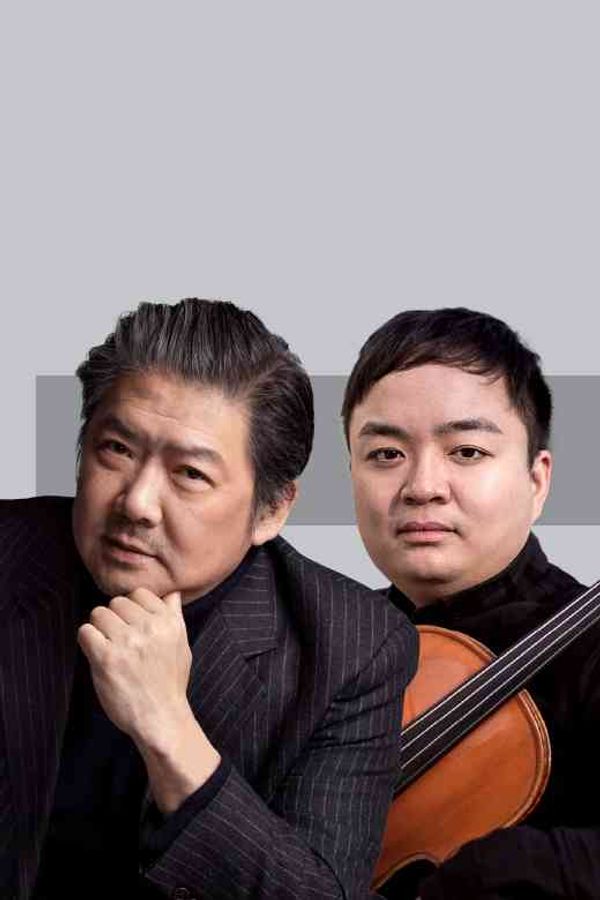


Exhibition Hotpick

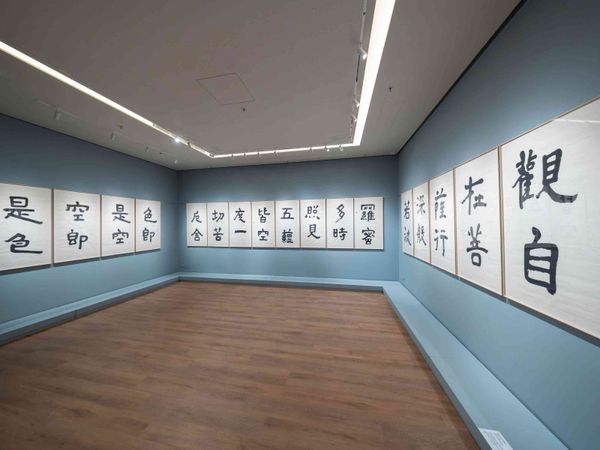


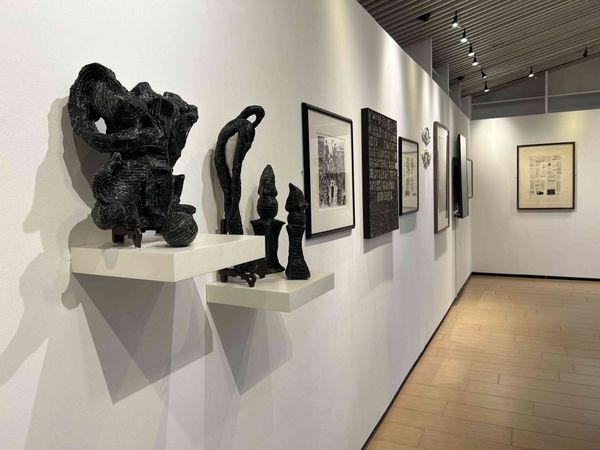
Drama and Film Featured
Mall Events

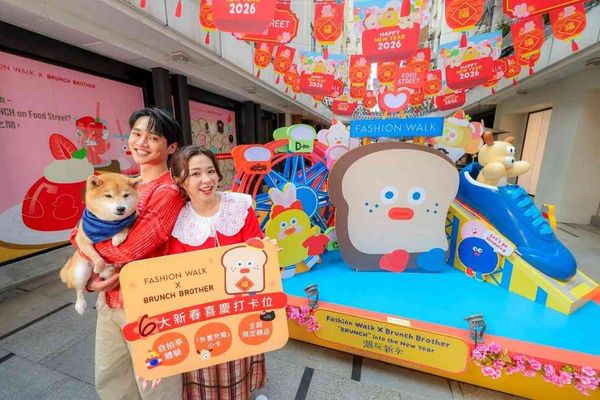
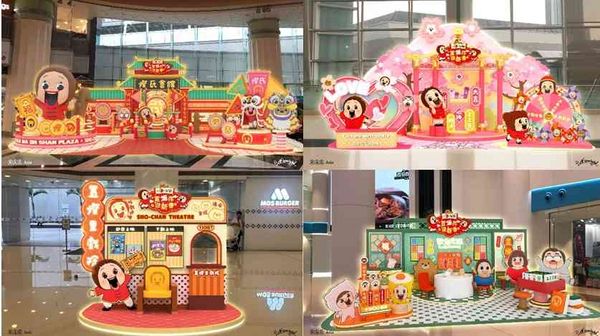
![The Whampoa | [Blissful Romance in the Peach Blossom Garden] Over 200 Lanterns Create 4 New Year Photo Spots Must-take photo with 5-metre-tall giant peach blossom tree and colourful lantern arch](https://img.etnet.com.hk/customcover/event/2026/01/09/09012026_whampoa_cover_m.png)

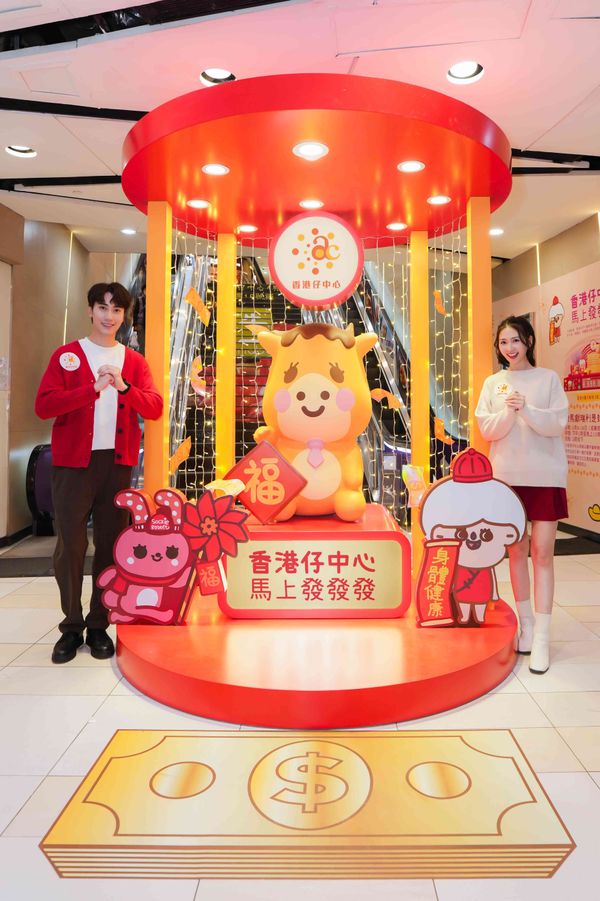

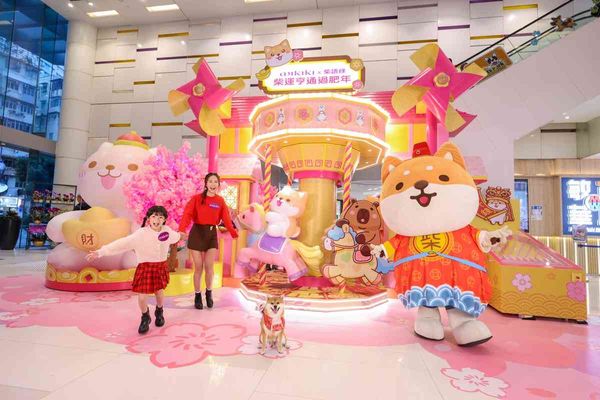
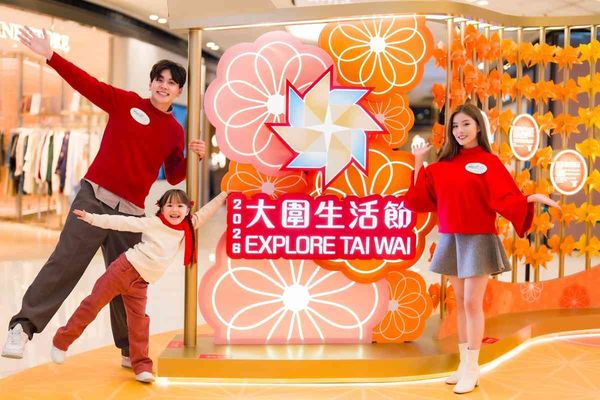

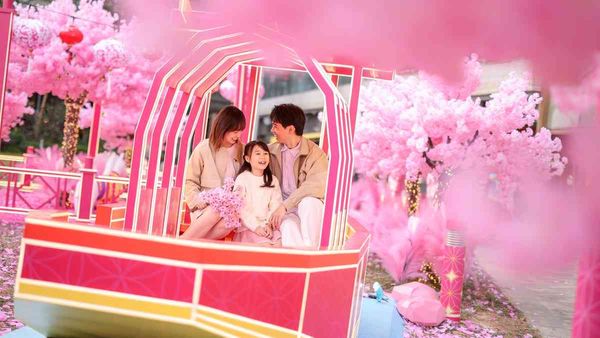
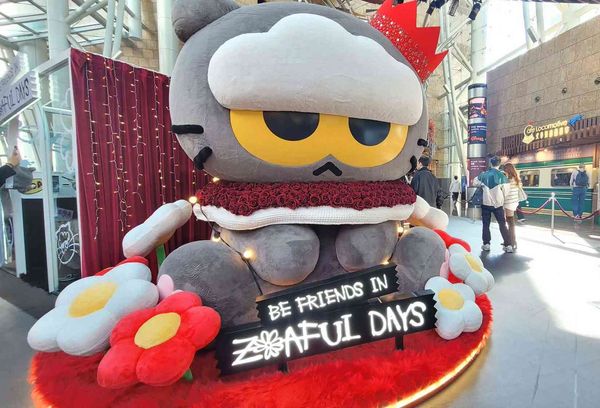
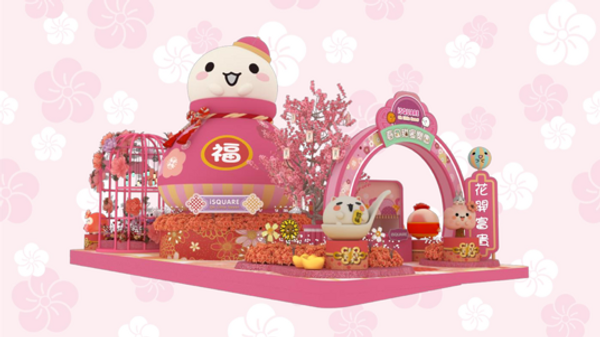
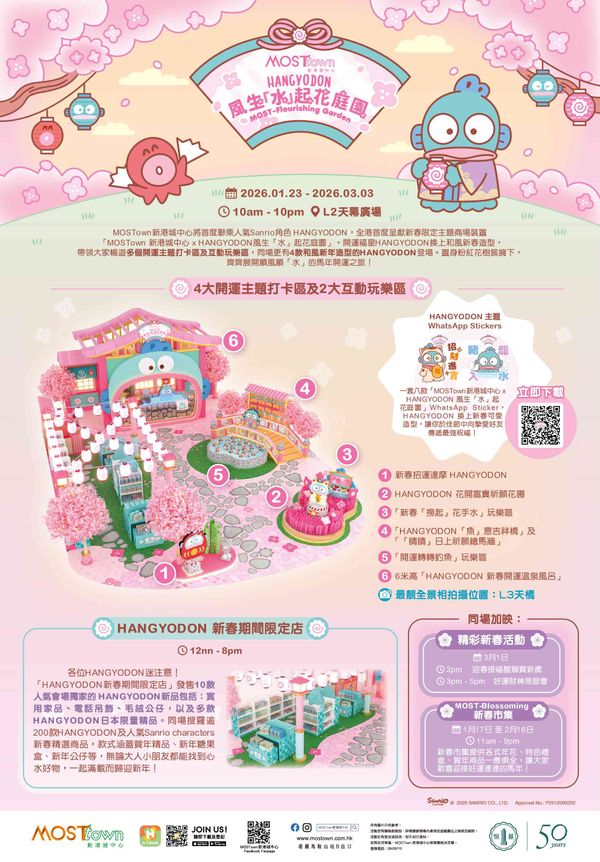
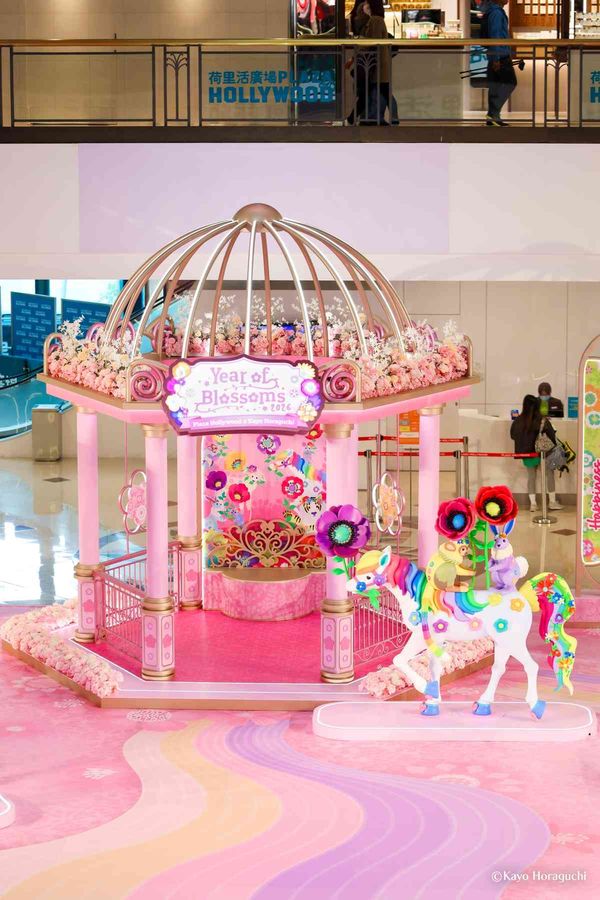
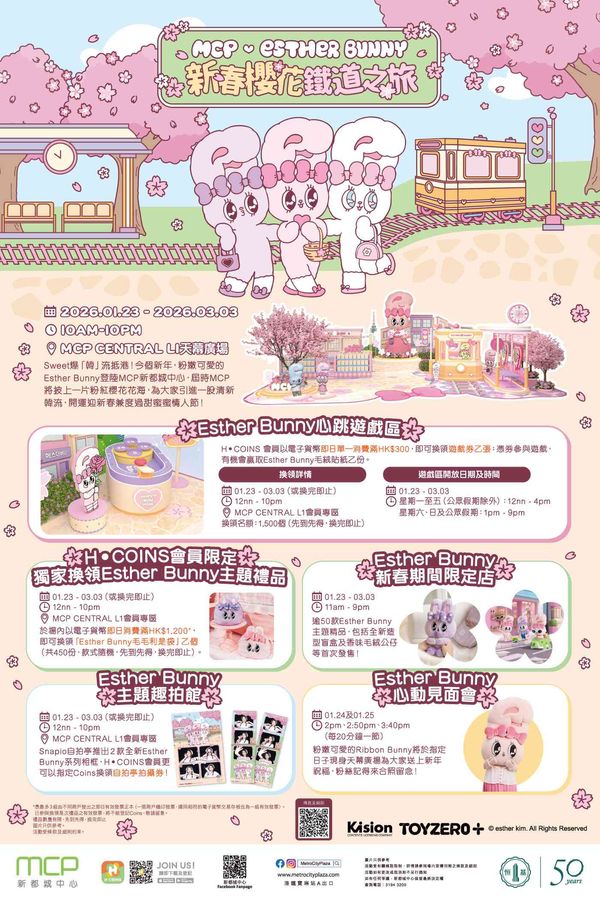

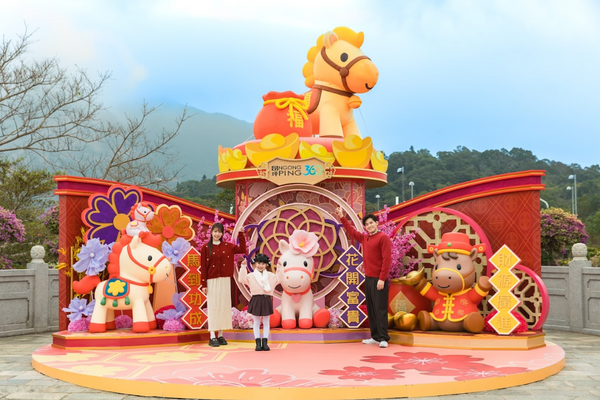



Concert
![Kai Tak Stadium | Mayday [Back to That Day] 25th Anniversary World Tour Hong Kong Spring Blossom Edition](https://img.etnet.com.hk/customcover/event/2026/02/04/Maydayhkcon2026-1_m.jpg)


最新
人氣
etnet TV
財經新聞
評論
專題透視
生活
DIVA
健康好人生
香港好去處